
A leak inside a wall, under a slab, or beneath a floor doesn't always show up right away. Water travels along the path of least resistance — following framing, insulation, and subfloor — before it becomes a visible stain or a puddle. That's why the earliest signs of a hidden leak are usually indirect. Here are five worth watching for.
1. A Water Bill That Doesn't Match Your Usage
If your household habits haven't changed but your water bill has climbed noticeably, that's one of the more reliable early indicators of a leak. A running toilet or a small supply line leak can waste a surprising amount of water over the course of a month without ever pooling anywhere visible.
2. A Musty or Damp Smell That Won't Go Away
Persistent moisture breeds mold and mildew, and the smell often shows up before any visible sign of water. If a particular room, closet, or cabinet consistently smells musty no matter how much you clean or air it out, there may be moisture getting in from somewhere you can't see.
3. A Warm or Damp Spot on the Floor
If a section of flooring feels warm compared to the rest of the room, that can point to a leak in a hot water line running beneath the slab. A cool, consistently damp spot can indicate the same issue with a cold line, or water pooling from a drain leak underneath.
4. The Sound of Running Water With Nothing Turned On
If you can hear water moving through pipes when every fixture in the house is off, that's worth investigating. It's one of the more direct audible clues that water is flowing somewhere it shouldn't be.
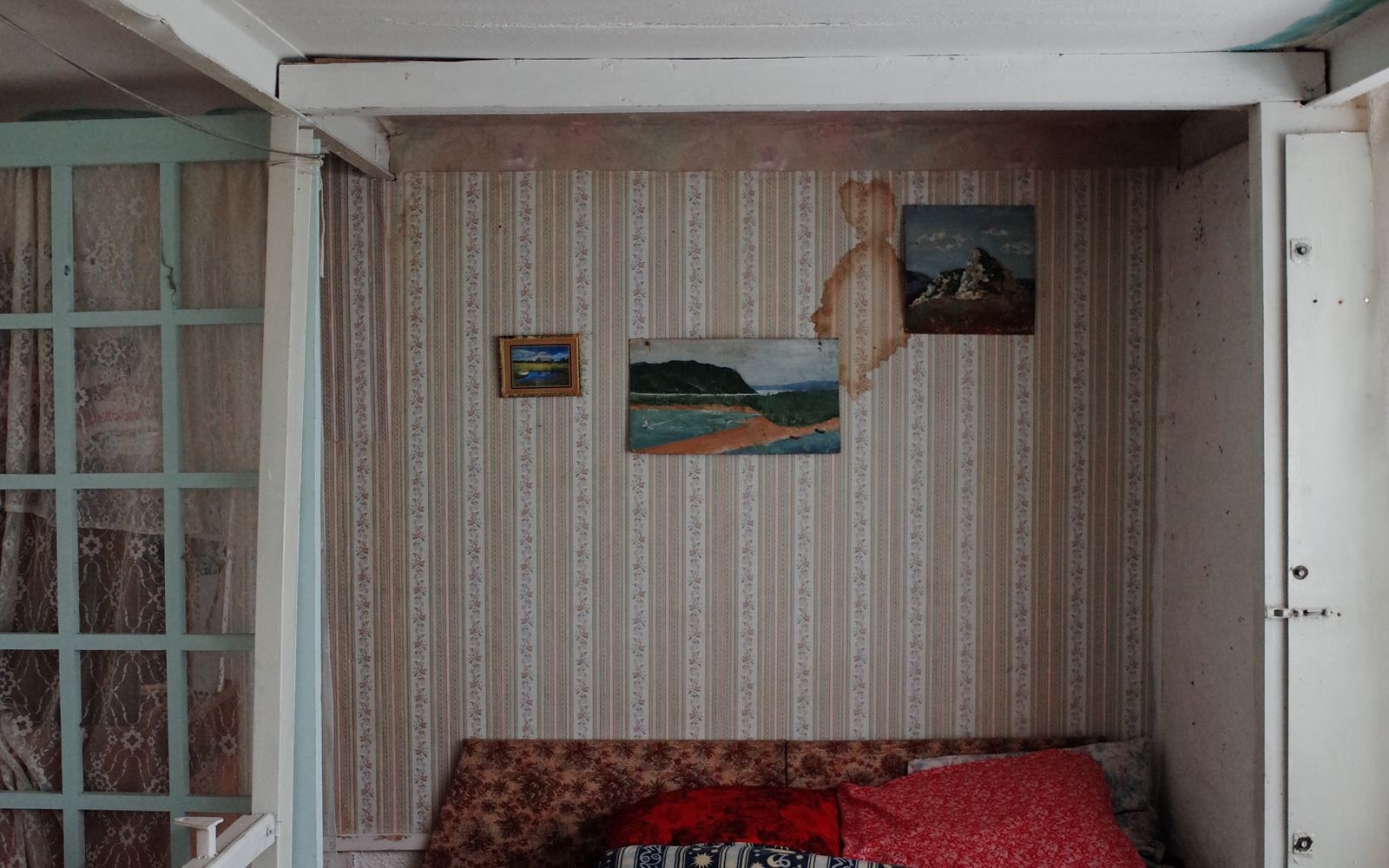
5. Staining, Bubbling, or Peeling on Walls or Ceilings
Discoloration, bubbling paint, or peeling wallpaper are later-stage signs — by the time these appear, a leak has usually been present for some time. They're still worth acting on quickly, since the damage tends to spread the longer the moisture source stays active.
The clearest way to confirm a suspected leak is a simple water meter test: turn off every fixture and appliance that uses water, note the meter reading, wait 30 minutes without using any water, then check it again. If the reading has moved, water is flowing somewhere in the system.
What to Do If You Suspect a Leak
Note what you've observed — where, when, and how it shows up — since that information helps narrow down the source quickly. Avoid opening up walls or flooring yourself; a professional leak diagnosis can usually pinpoint the source with far less disruption than trial-and-error cutting.
Think You Have a Hidden Leak?
Our leak repair service covers diagnosis and repair for exactly this kind of issue. The sooner it's found, the less damage it causes.
Suspect a Leak in Your Home?
Call us or book online and we'll find the source before it causes more damage.